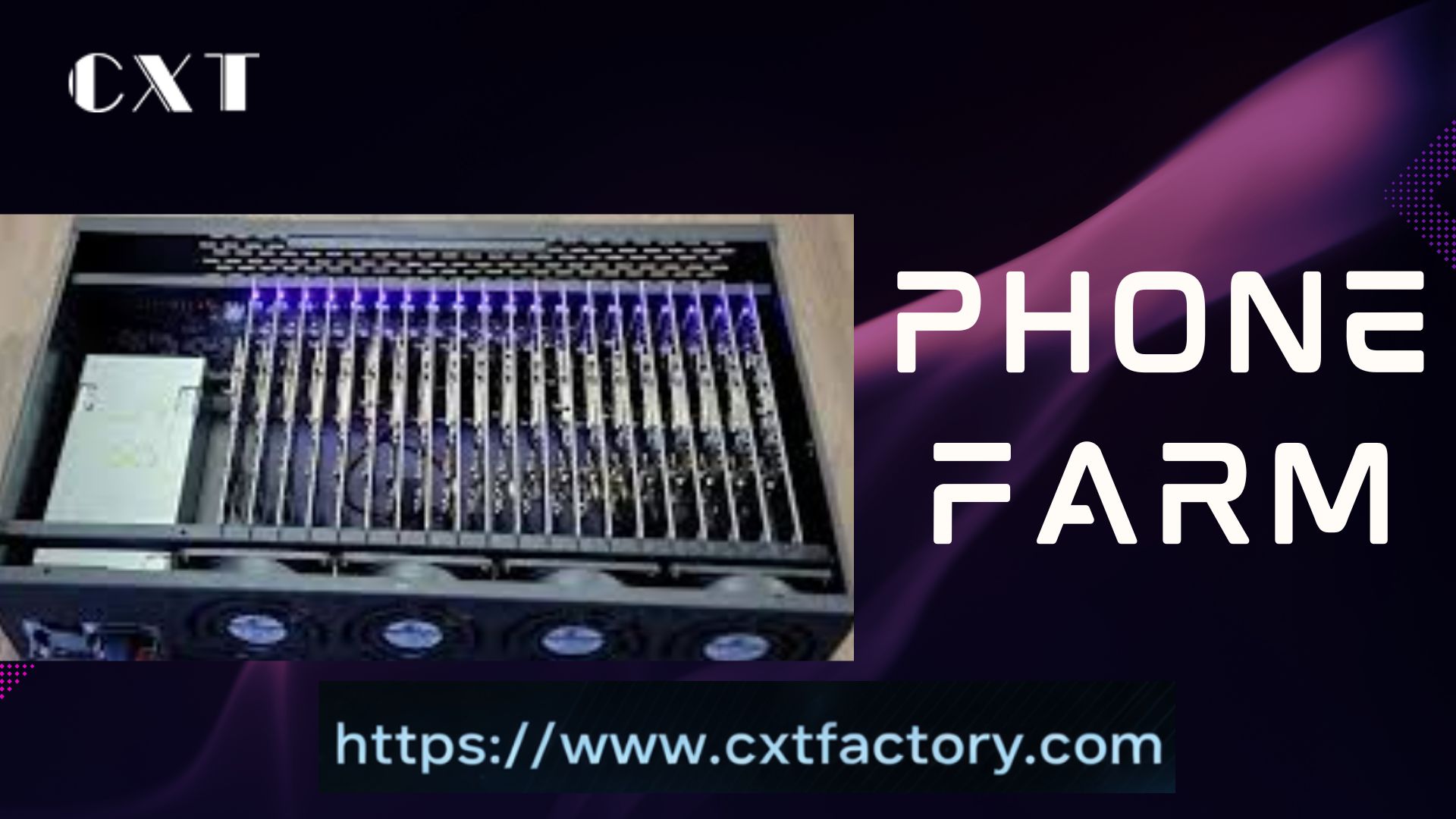
As mobile operations scale, teams often start with simple setups and then struggle to maintain control. A growing Mobile Phone Farm needs more than just additional devices. It needs structure. This is where a box phone farm makes a clear difference. Instead of scattered devices and loose cables, a phone box setup brings order, stability, and better performance. Many teams moving away from bot farm style environments notice immediate improvements once they switch to a structured system.
At CXT Factory, we focus on hardware that supports organized multi-device environments, helping teams move from unstable setups to reliable operations.
Problems Teams Face in Open and Unstructured Setups
Unstructured environments work at a small scale, but they quickly become difficult to manage as the device count increases. A typical bot farm setup prioritizes volume, not stability. That creates issues that slow everything down.
- Devices shift position and loosen connections over time
- Cable clutter makes troubleshooting confusing
- Heat builds up unevenly between tightly packed devices
- Power delivery becomes inconsistent across the Mobile Phone Farm
These problems lead to random failures and unpredictable performance. Teams spend more time fixing issues than running actual tasks. A box phone farm solves this by replacing loose layouts with a controlled structure.
How a Box Phone Farm Improves Stability
A box phone farm introduces fixed positioning and organized routing. Each device stays in place, and every connection follows a defined path. This simple change has a big impact on performance.
- Fixed slots prevent movement and reduce connector stress
- Clean cable routing minimizes wear and confusion
- Balanced spacing improves airflow around devices
- Stable layout supports consistent power distribution
A phone box setup ensures that all devices in a Mobile Phone Farm operate under similar conditions. This consistency reduces unexpected failures and improves overall reliability.
At CXT Factory, we design box phone farm systems that help teams maintain this level of control even as they scale.
Why Structured Hardware Beats Bot Farm Style Layouts
The key difference between a structured Mobile Phone Farm and a bot farm lies in hardware discipline. A bot farm often focuses on automation output without considering long-term hardware impact. Devices run until they fail, and replacements become frequent.
A box phone farm takes a different approach. It protects hardware, reduces physical stress, and supports stable long-term use. This leads to fewer interruptions and better performance over time.
Teams that switch to a structured phone box system often notice that automation becomes more reliable. Devices respond consistently, and monitoring becomes easier.
Long Term Benefits of Organized Device Layouts
A structured Mobile Phone Farm does more than reduce immediate problems. It improves long-term efficiency.
- Maintenance becomes faster and more predictable
- Devices last longer due to reduced physical strain
- Expansion becomes easier with repeatable layouts
When every device follows the same structure, teams avoid the chaos that comes with rapid growth.
Conclusion
Scaling mobile operations without structure leads to instability and constant maintenance. A box phone farm provides the organization needed to keep devices stable, cool, and easy to manage. Compared to a bot farm approach, a structured phone box system delivers better reliability and long-term performance. At CXT Factory, we help teams build Mobile Phone Farm environments that stay controlled, efficient, and ready to scale.